Why Dogs Chew
Puppies: Teething and Learning
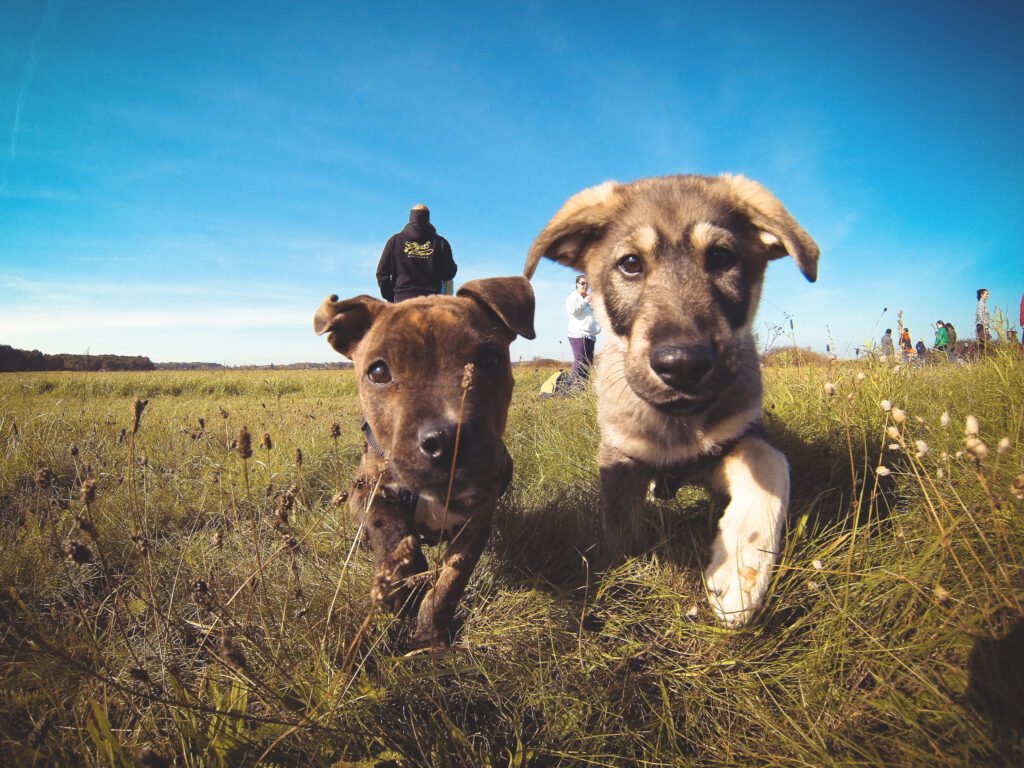
Puppies explore the world with their mouths. During teething (typically between 3–6 months), chewing helps relieve discomfort and is a natural part of development. At this stage, puppies don’t yet understand what is appropriate to chew.
Adult Dogs: Boredom and Energy
Dogs often chew because they:
- Need more physical exercise
- Are lacking mental stimulation
- Are trying to entertain themselves
Dogs left alone without enough to do will often create their own activity—chewing.
Stress and Anxiety
Chewing can also be a coping mechanism. Dogs may chew when:
- Adjusting to a new home
- Left alone for long periods
- Experiencing changes in routine
Chewing can help dogs self-soothe, which is why it often increases during stressful transitions—like adoption.
Natural Instinct
Chewing is instinctive. Dogs are naturally driven to:
- Use their jaws
- Investigate objects
- Break down materials
Your goal isn’t to stop chewing—it’s to guide it to appropriate outlets.
When Chewing Becomes a Problem
Chewing becomes destructive when:
- Household items are easily accessible
- Dogs are unsupervised too soon
- There aren’t appropriate alternatives available
- Physical or mental needs aren’t being met
What You Can Do
Provide Appropriate Chew Options
Give your dog plenty of safe, durable items to chew:
- Rubber toys
- Long-lasting chews
- Food puzzle toys
Rotate toys regularly to keep them interesting. Puppies may also benefit from cold or frozen chew items during teething.
Manage Your Home Environment
Set your dog up for success:
- Keep shoes, cords, and personal items out of reach
- Use baby gates or close doors
- Limit access to areas when unsupervised
Prevention is one of the most effective tools you have.
Supervise and Redirect
Watch your dog closely, especially in the early weeks after adoption.
If your dog starts chewing something inappropriate:
- Interrupt calmly
- Immediately offer an appropriate toy
- Praise when they switch to the correct item
Consistency is key—this is how dogs learn.
Use Safe Confinement
When you can’t supervise:
- Use a crate or designated safe space
- Provide approved chew items
This prevents your dog from practicing unwanted behaviors.
Increase Exercise and Enrichment
Many chewing problems improve when dogs have an outlet for their energy.
Daily needs should include:
- Walks
- Playtime
- Training sessions
- Mental enrichment (puzzle toys, scent games)
A tired dog is far less likely to be destructive.
Address Stress and Adjustment
For newly adopted dogs, chewing may be part of the transition.
Help your dog feel secure by:
- Keeping routines consistent
- Providing a quiet place to rest
- Offering enrichment when leaving the house
If chewing seems focused on doors, windows, or exits, it may be related to anxiety and may require additional support.
Make Inappropriate Items Less Appealing
You can help discourage chewing on certain items by:
- Using pet-safe deterrent sprays
- Temporarily covering or blocking furniture
These tools work best when combined with redirection—not punishment.
What NOT to Do
- Do not punish your dog after the fact—they won’t understand why
- Do not use harsh corrections, which can increase anxiety
- Do not expect puppies to “grow out of it” without guidance
Helping Puppies Through the Chewing Phase
Puppies require extra patience and structure:
- Expect increased chewing during teething
- Always have appropriate chew items available
- Redirect consistently
- Supervise closely
This stage is temporary, but the habits formed now can last a lifetime.
The Bottom Line
Chewing is a normal, healthy behavior—but it needs direction.
Dogs don’t stop chewing—they learn what’s appropriate. With the right balance of supervision, structure, and enrichment, your dog can develop safe chewing habits and become a well-adjusted member of your home.